February 9th, 2016

In this form of cardiac arrhythmia, the human heart is no longer able to pump blood. The cause of this dysfunction is a failure in…

Ventricular Fibrillation

February 9th, 2016

In this form of cardiac arrhythmia, the human heart is no longer able to pump blood. The cause of this dysfunction is a failure in the transmission of the electrical signal which is formed in the sinus node. So-called orbital excitations in the ventricles are created that can result in frequencies of up to 800 per minute. A normal heartbeat is no longer possible causing an interruption of the pumping function of the heart and thus an interruption of the blood supply.

Due to the lack of oxygen in the brain and the organs, persons concerned suffer a circulatory collapse and lose consciousness in no time. If the patient is not treated quickly, he will die within a few minutes.

Normally, fibrillation is caused by a damage to the heart muscle due to a (previous) serious heart disease, for example, a heart attack or coronary heart diseases. Medications may also cause arrhythmia.
Symptoms: · unconsciousness, pallor, bluish discoloration of lips, dilated pupils, respiratory failure, non-palpable pulse
Sources: http://www.netdoktor.de/krankheiten/kammerflimmern/ http://www.kardionet.de/ploetzlicher-herztod

Back


Latest Articles

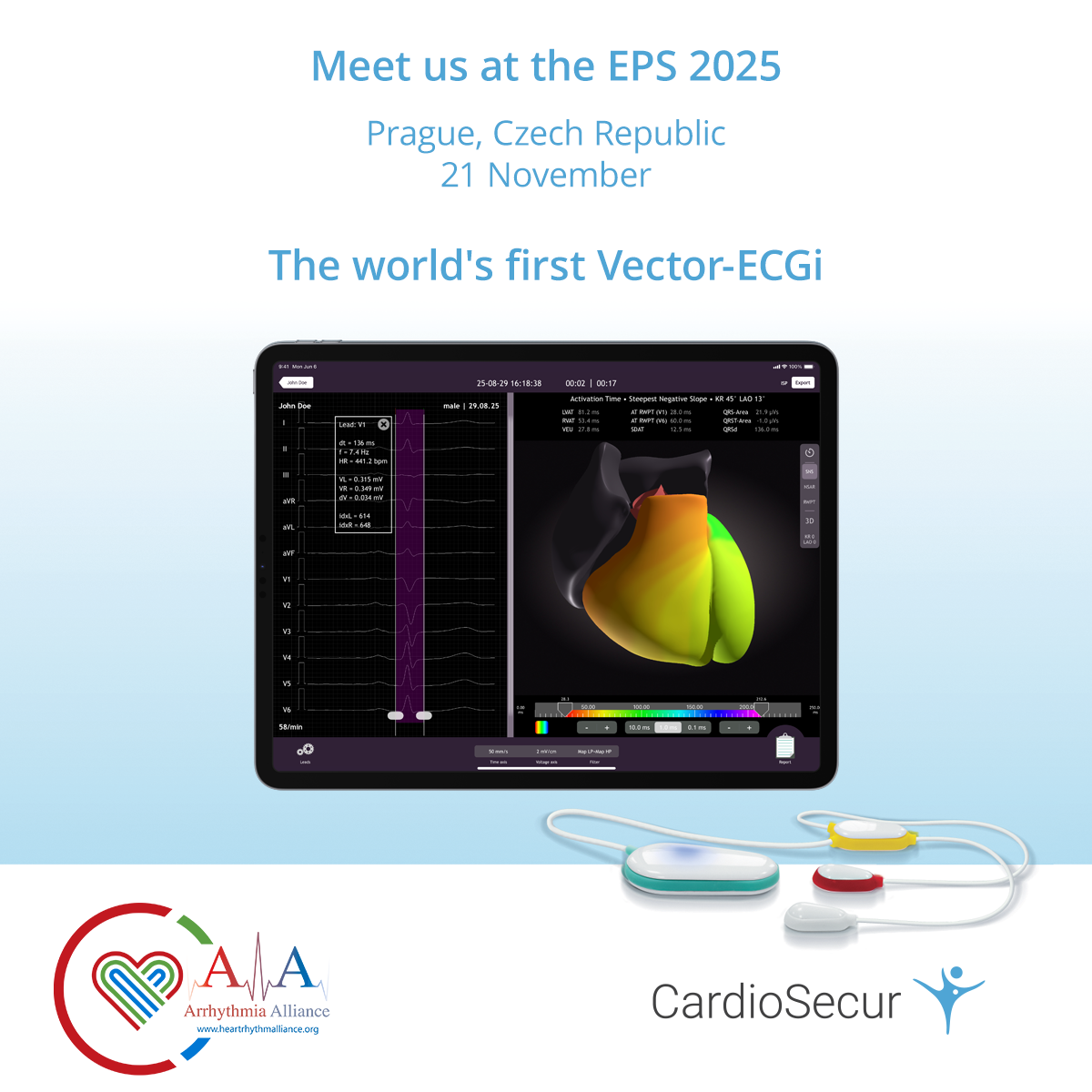
Innovation grows through collaboration — looking forward to connecting at EPS!

On Friday we’ll be at the European Pacing Symposium (EPS), one of the most important gatherings for the Electrophysiology…

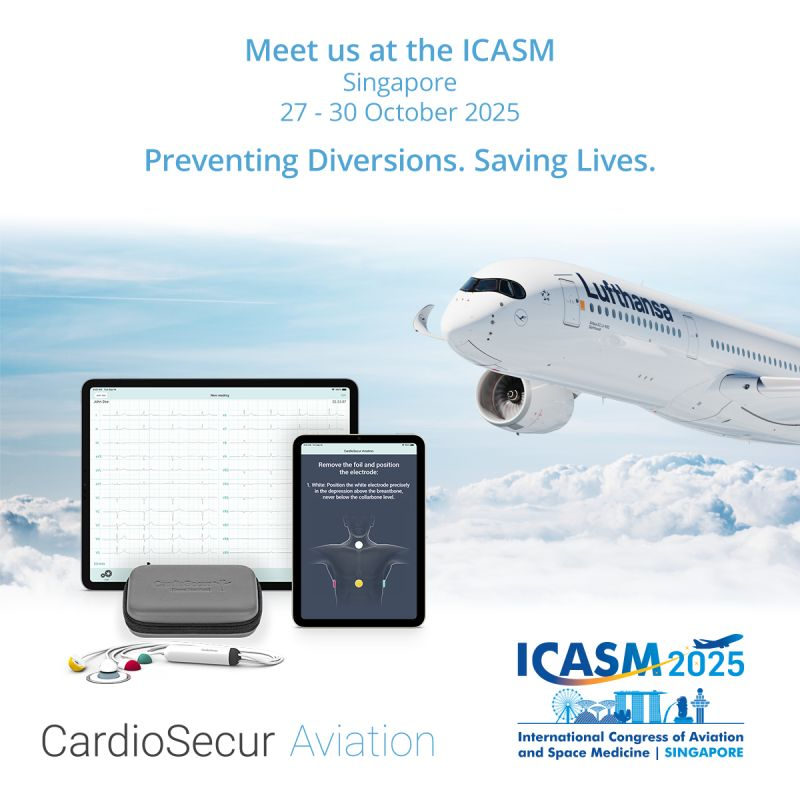
We’re looking forward to attending the 71st International Congress of Aviation and Space Medicine (ICASM) in Singapore, a key event for the Aviation healthcare community. 

Our team will be there to…

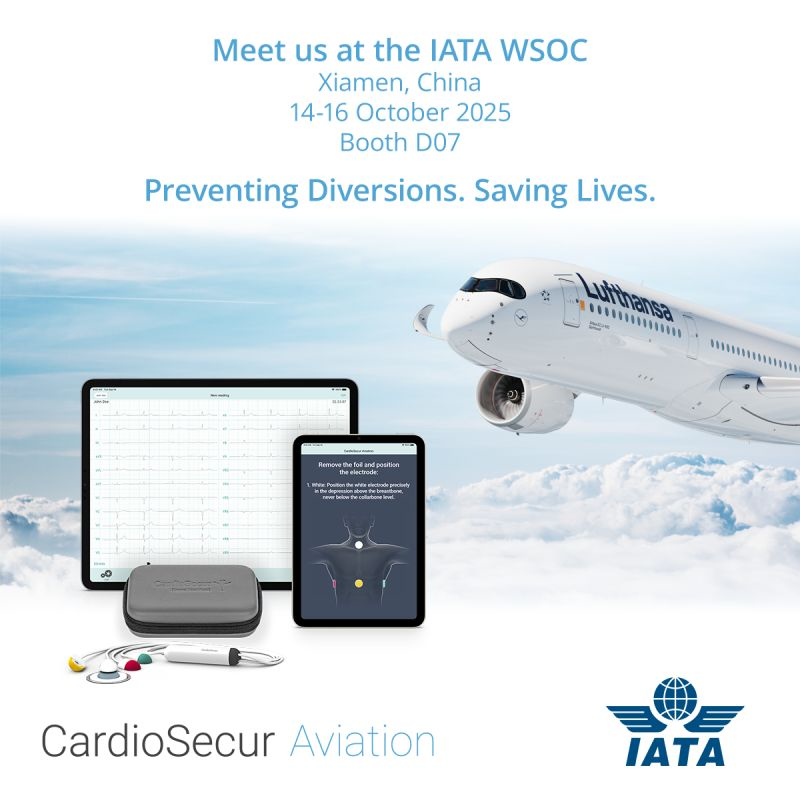
We’re excited to exhibit at IATA WSOC 2025 in Xiamen, China! 

As a key event in the aviation sector calendar, this conference brings together thought leaders, professionals, and innovators from across…

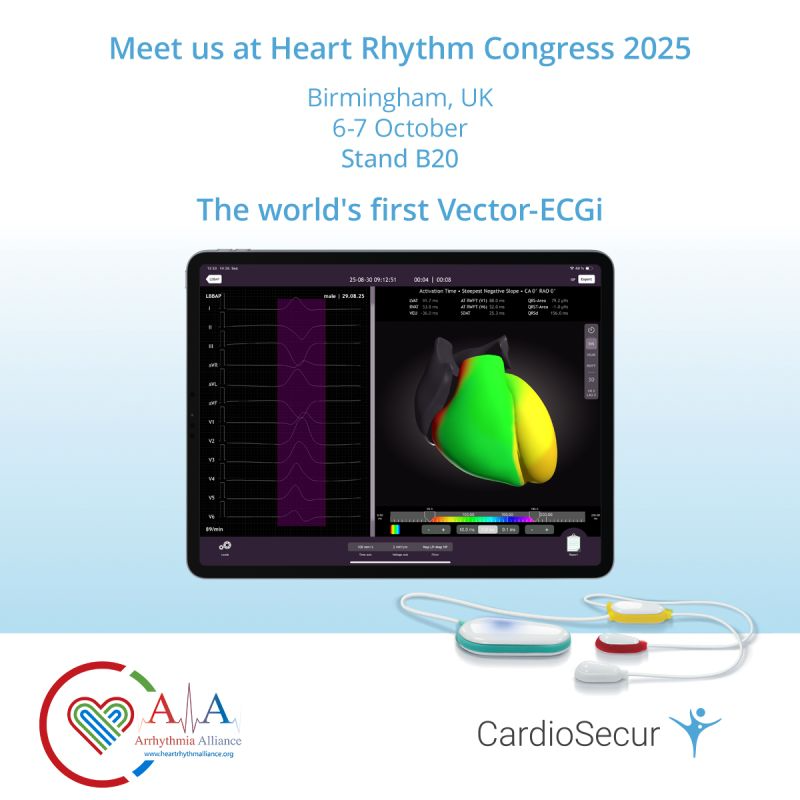
We’re excited to showcase CardioSecur Vector-ECGi at Heart Rhythm Congress in Birmingham, on 6–7 October 2025.

Find us at Stand B20 to explore how this innovative solution supports advanced pacing…